
Polished Concrete Floors: Polished Concrete Benefits You Should Know

When I first considered polished concrete floors for my home, I wanted to understand all the facts. Polished concrete floors have become popular in both residential and commercial spaces. They offer a sleek, modern look and promise durability. But like any flooring option, they come with their own set of advantages and disadvantages. In this post, I will share what I learned about polished concrete floors, focusing on the polished concrete benefits and some drawbacks you should consider.
Polished Concrete Benefits: Why Choose This Flooring?
One of the biggest reasons I chose polished concrete floors was their durability. Concrete is naturally strong, and polishing it makes the surface even tougher. This means it can handle heavy foot traffic without showing wear and tear. If you have kids or pets, this is a huge plus.
Another benefit is low maintenance. Unlike carpet or wood, polished concrete does not trap dust, dirt, or allergens. Cleaning is simple - just sweep and mop regularly. There is no need for waxing or refinishing like with other floors.
Polished concrete floors also offer energy efficiency. The smooth surface reflects light well, brightening up rooms and reducing the need for extra lighting. Plus, concrete floors absorb heat during the day and release it slowly at night, helping to regulate indoor temperatures.
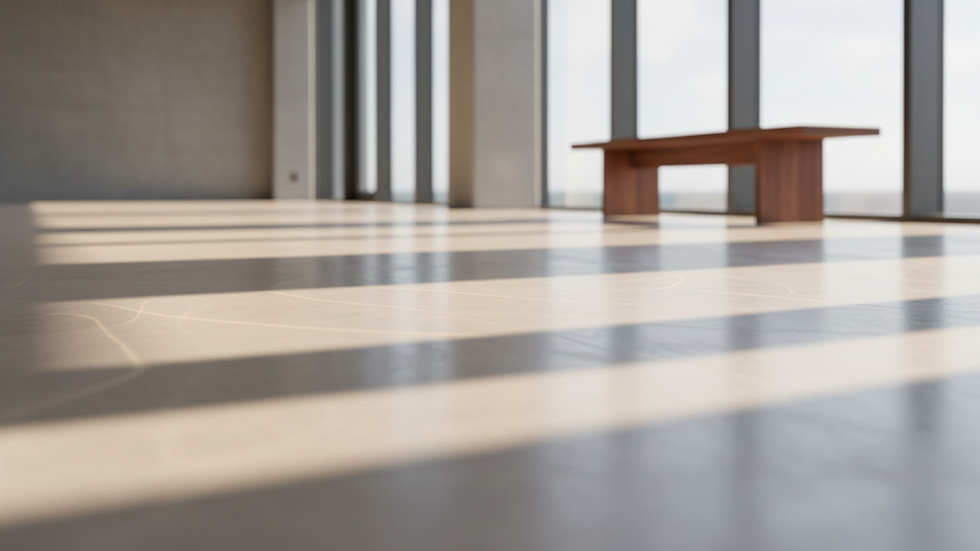
Aesthetic appeal is another reason I liked polished concrete. The floors have a shiny, modern look that fits many styles. You can choose different levels of gloss, from matte to high shine. Plus, you can add color or decorative patterns to customize the look.
Finally, polished concrete is an eco-friendly choice. It uses the existing concrete slab, so there is no need for additional materials. This reduces waste and the environmental impact of flooring installation.

The Drawbacks: What to Watch Out For
While polished concrete floors have many benefits, there are some downsides to consider. One issue is hardness. The floor is very firm, which can be uncomfortable to stand on for long periods. It also means that if you drop something fragile, it is more likely to break.
Another concern is coldness. Concrete floors can feel cold underfoot, especially in winter. This might require adding rugs or installing radiant heating to keep the space comfortable.
Polished concrete can also be slippery when wet. This is important to keep in mind for areas prone to spills or moisture, like kitchens or bathrooms. You can reduce this risk by choosing a lower gloss finish or applying anti-slip treatments.
Cracks are another potential problem. Concrete naturally expands and contracts with temperature changes. Over time, this can cause cracks to appear. While polishing can minimize the visibility of cracks, it cannot prevent them entirely.
Finally, installation requires professional equipment and skill. Polishing concrete is not a DIY project for most people. The process can be noisy and dusty, so it’s best done during a renovation or in new construction.
What is the Average Cost of Polished Concrete Floors?
Cost is always a key factor when choosing flooring. Polished concrete floors are generally affordable compared to other high-end options like hardwood or natural stone. The price depends on several factors:
Size of the area to be polished
Condition of the existing concrete slab
Level of polish and finish desired
Any decorative elements or coloring
On average, you can expect to pay between $3 to $12 per square foot. Basic polishing with a matte finish is on the lower end, while high-gloss or decorative finishes cost more.
Keep in mind that while the upfront cost might be higher than some flooring types, the low maintenance and long lifespan can save money over time.

How to Maintain Polished Concrete Floors
Maintaining polished concrete floors is straightforward. Here are some tips I found useful:
Regular cleaning - Sweep or dust mop daily to remove dirt and grit that can scratch the surface.
Wet mopping - Use a damp mop with a pH-neutral cleaner weekly or as needed. Avoid harsh chemicals or acidic cleaners.
Protect high-traffic areas - Use mats or rugs at entrances to reduce dirt and wear.
Avoid heavy impacts - Be careful when moving heavy furniture or dropping objects.
Re-polishing - Over time, the shine may dull. You can have the floors professionally re-polished every few years to restore the look.
By following these simple steps, polished concrete floors can stay beautiful and functional for decades.
Is Polished Concrete Right for Your Space?
Deciding if polished concrete floors are right for you depends on your needs and lifestyle. If you want a durable, low-maintenance floor with a modern look, polished concrete is a great choice. It works well in living rooms, kitchens, basements, and commercial spaces.
However, if you prefer a softer, warmer floor or have concerns about coldness and hardness, you might want to consider other options or add rugs and heating.
For anyone interested in learning more about the polished concrete floors pros and cons, this post offers a balanced view to help you make an informed decision.
I hope this guide helps you understand the polished concrete benefits and challenges. With the right care and installation, polished concrete floors can be a stylish and practical addition to your home or business.

Comments